

Understanding Mindful Play
Gamblers often talk about luck, thrill, and chance, but the concept of mindful play invites a different conversation. It’s about awareness, intentionality, and emotional regulation while engaging with casino environments—particularly in the digital realm, where boundaries blur between entertainment and habit. Whether on a neon-lit online slot or a sleek virtual poker room, players are beginning to notice that being aware can make all the difference in enjoyment and safety.
I thought about this recently while exploring the Chicken Road casino game, a quirky digital slot that mixes humor with challenge. The experience made me reflect on how subtle design choices spark engagement. From friendly colors to rhythmic sounds, every detail feels like an invitation. But mindful play starts by pausing in that moment—asking, “Am I here for fun, or am I chasing something?” That question alone can reshape the gaming experience into something richer and calmer.
The Psychology Behind Safer Gaming
Psychologists studying gambling behaviors highlight that most casino games trigger the brain’s reward system. A near-miss, even without a win, releases dopamine. Over time, this mechanism can lead to reinforcement loops. The mindful player acknowledges this but doesn’t reject it. Instead, they learn to see each spin, deal, or roll of dice as an event within a larger context. It’s not about eliminating fun; it’s about regulating focus and emotional expectation.
A mindful player treats impulses as data, not directives. They notice urges but don’t act automatically. That’s where psychology truly empowers safer habits—through recognition rather than repression.
Digital Balance and Self-Awareness
Online casinos often provide convenience, but convenience can easily slip into overuse. The human brain loves immediate feedback, and digital environments provide exactly that. Yet balance doesn’t mean deprivation; it’s closer to rhythm. A few minutes of intense slots followed by a walk or even a moment away from the screen helps reset cognitive tension. Players who practice micro-pauses often find not only less stress but more enjoyment when they return.
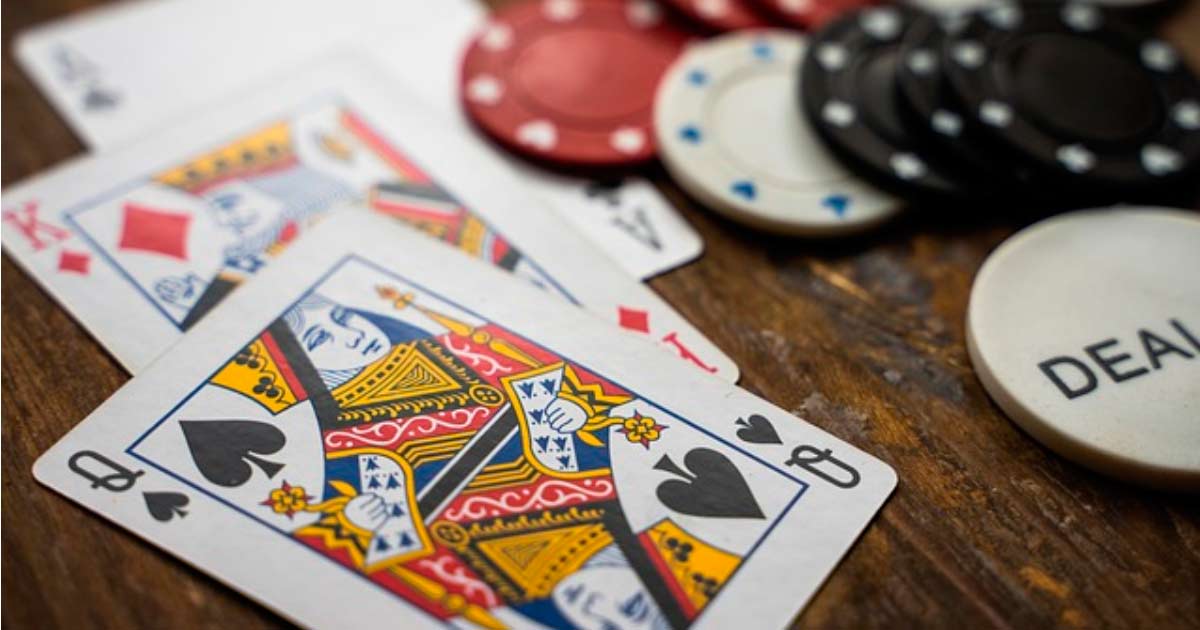
A good test is to ask yourself mid-session: “If I stopped now, how would I feel?” If you sense frustration or the urge to “play until right again,” that’s usually a cue to pause. Self-awareness develops through repetition—a mental exercise, really. Over time, it strengthens the muscle of restraint without dulling the pleasure of play.
How Casino Design Influences Attention
Casino designers, whether digital or physical, have long studied player behavior. Colors, lights, sounds, and pacing all influence how we engage. Online casinos amplify this with modern interfaces and gamified systems—rewards, levels, bonuses. These design elements can encourage healthy excitement or tip into compulsion depending on how players interact with them.
The idea of mindful play here is to interact consciously with these mechanics. When you claim a bonus, ask yourself why. When you choose a slot theme, do it because it appeals to your taste, not your impulse to win quickly. Awareness turns each interface into a tool rather than a trigger.
Practical Habits for Mindful Play
Mindful gambling habits are learned, not assumed. Each player develops their own version of self-discipline, but psychology provides a structure. Below is a simple numbered list—ideas that sound obvious on paper yet feel profound once practiced.
- Set a specific time limit before playing, and stick to it—no extensions, even if you’re “on a roll.”
- Predetermine your gaming budget; treat it as a movie ticket, paid for entertainment, not an investment.
- Regularly monitor your mood: if excitement turns into agitation, step away.
- Turn off auto-play occasionally, taking each spin or bet consciously.
- Reflect after each session; note what felt relaxing and what didn’t.
Simple steps, yet so easy to forget amidst the buzz of digital lights.
Using Technology to Stay in Control
Ironically, technology—the same force that intensifies play—can also protect us. Many casino platforms now integrate self-exclusion systems and session reminders. Even browser extensions can help moderate time on gaming sites. Players who embrace such tools often describe a newfound ease, as though part of the burden shifts from willpower to structure.
- Set account limits directly in the casino dashboard.
- Try mobile notification pauses to avoid impulsive logins.
- Use analytics tools that summarize time and money spent weekly.
It’s worth mentioning that these measures were rarely used a few years ago. Their growing presence signals cultural progress—gaming platforms adopting responsibility not as an afterthought but as part of design.

Emotion, Reward, and Responsibility
Emotion is at the heart of gambling. It’s why even modest wins can feel thrilling and losses sting disproportionately. The mindful player doesn’t suppress feeling but contextualizes it. “I enjoyed that round,” becomes distinct from “I need to win it back.” This subtle mental line preserves joy and prevents escalation. Psychologically, that shift is huge—it’s the conversion from compulsion to experience, from reaction to reflection.
Acknowledging the brain’s reward cycle is not cynicism, it’s self-respect in practice. Understanding the mechanism can actually increase appreciation, not diminish it.
Community and Cultural Shifts
Communities around gaming, from forums to social streams, are slowly adopting mindful language. There’s talk now not just about bonuses but about emotion and mental space. Platforms encouraging open discussion about safer gambling foster trust and loyalty more effectively than pure marketing ever could. It’s an encouraging sign, a reflection that entertainment doesn’t need to be reckless to be exciting.
In this sense, mindful play transforms the casino space into something broader—an ecosystem where psychology, technology, and human curiosity intersect. For me, the realization that awareness doesn’t reduce thrill but rather deepens it has been surprisingly liberating. The future of gaming, if you ask me, isn’t restraint; it’s intelligent engagement. It’s pausing, feeling, and still choosing to play—just a bit wiser than before.